
If you’re looking for an easy way to save money on utilities, switching to a smart thermostat is a great place to start. They allow you to manage your home’s heating and cooling from anywhere, and there are even some more advanced models that will learn and adapt to your routines to boost efficiency. They can get a little pricey, with some models starting at $200 or more, but there are plenty of deals out there so you can get one in your home for less. We’ve rounded up some of the best smart thermostat deals currently available below, with options for a variety of needs and budgets.
Best smart thermostat deals
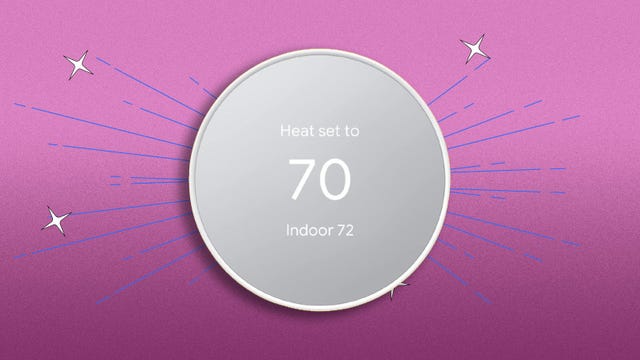
Those aiming to balance smarts and price need look no further than the Google Nest Thermostat. The attractively designed thermostat offers Google Assistant and Amazon Alexa support, easy scheduling options and tips on how you could tweak your usage to save some cash. While it doesn’t adapt to your habits automatically like the Nest Learning Thermostat does, it’s half the price and boasts most of the features the average homeowner needs.
Read our Nest Thermostat (2020) review.

Not only is the Amazon Smart Thermostat the most affordable model on this list, but it’s also our overall favorite smart thermostat on the market right now. It offers the basics like remote temperature control using the companion app, and voice control if you have an Alexa-enabled smart speaker. It can save you around $50 annually on energy bills, and is a solid value at full price, so it’s a great bargain when you can find it on sale.
Read our Amazon Smart Thermostat review.

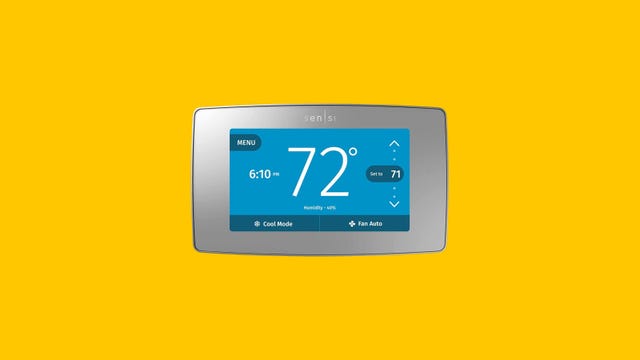
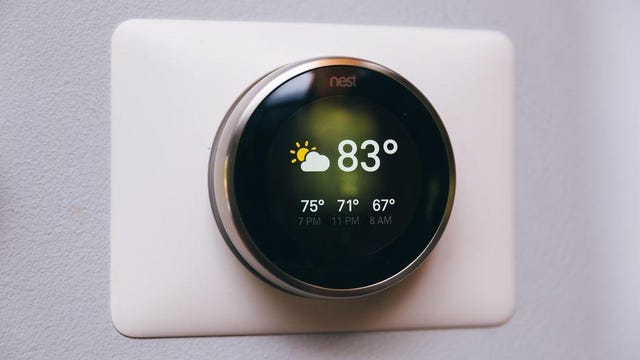
The Nest Learning Thermostat is Google’s premier thermostat. You get all the functionality of the cheaper Nest thermostat and a few more bells and whistles. The Learning Thermostat works with Google Assistant and Alexa, and learns your schedule and makes adjustments to your heating and cooling settings accordingly.
Read our Google Nest Learning Thermostat review.
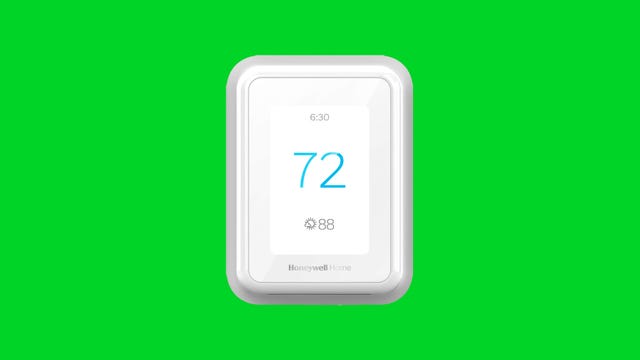
The Honeywell Home T9 Smart Thermostat works with Alexa, Google Assistant and Apple HomeKit and offers reliable performance and a solid app. The device also pairs with Honeywell’s remote humidity, proximity and temperature sensors which are some of the smartest sensor accessories around. Smart thermostat and sensor bundles are also available.
Read our Honeywell Home T9 review.
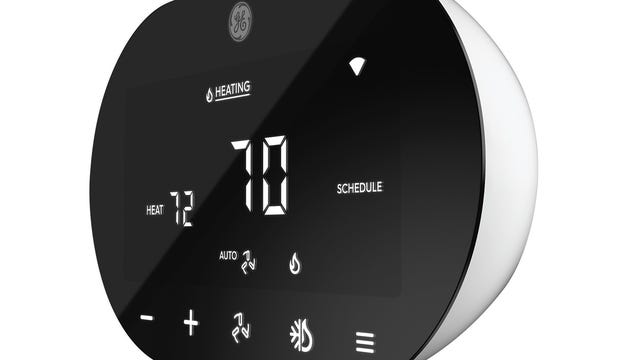
The GE Cync smart thermostat is a Wi-Fi- and Bluetooth-enabled thermostat that works with Alexa and Google Home and has a touchscreen display. It doesn’t require a C-wire, which should make for easier installation than some other smart thermostats listed here.
Can a smart thermostat actually lower my bills?
Replacing your dumb thermostat with a smarter alternative, without modifying your usage habits, won’t automatically reduce your energy bills. That being said, smart thermostats offer a variety of features that will help you figure out changes you can make to your energy usage patterns to help you shave a few bucks off your bills.
These include simple scheduling features that are probably easier to use than the ones offered by your old-school thermostat, as well as smart home and away modes that automatically adjust energy usage based on your proximity.
Outside of smart features, the extra information and more accessible controls provided by a smart thermostat allow you to be more readily able to make the most of opportunities to save some energy and thereby some cash.
How easy is it to install a smart thermostat?
A smart thermostat’s ease of installation can vary greatly and depends on your existing HVAC system and the thermostat you choose to go with. If you’re not comfortable with minor electrical work, it’s always best to call in a professional electrician.
Most smart thermostats do, however, offer step-by-step guidance for a DIY installation and can be completed by anyone comfortable with some basic wiring. Our guide to installing the Nest Smart Thermostat can give you an idea of the process, though it may vary for different systems and thermostat options.
Before you buy any smart thermostat, it’s best to check that it’s compatible with your HVAC system.

Leave a Comment